Taking care of your cat isn’t all that different from taking care of anyone you love. You’re trying to keep them safe, comfortable, and ideally out of the vet’s office for anything serious.
One of the simplest ways to do that is with vaccinations. They protect your cat from diseases that are not only unpleasant, but in some cases life-threatening (and much harder to treat than prevent).
If you’ve ever wondered how often your cat actually needs vaccines, or which ones really matter, you’re not alone. It can feel a little confusing, especially with different recommendations for indoor vs. outdoor cats.
In this guide, we’ll break it all down in plain English, what vaccines your cat needs, how often they need them, and why they matter in the first place.
Core and Non-Core Cat Vaccinations
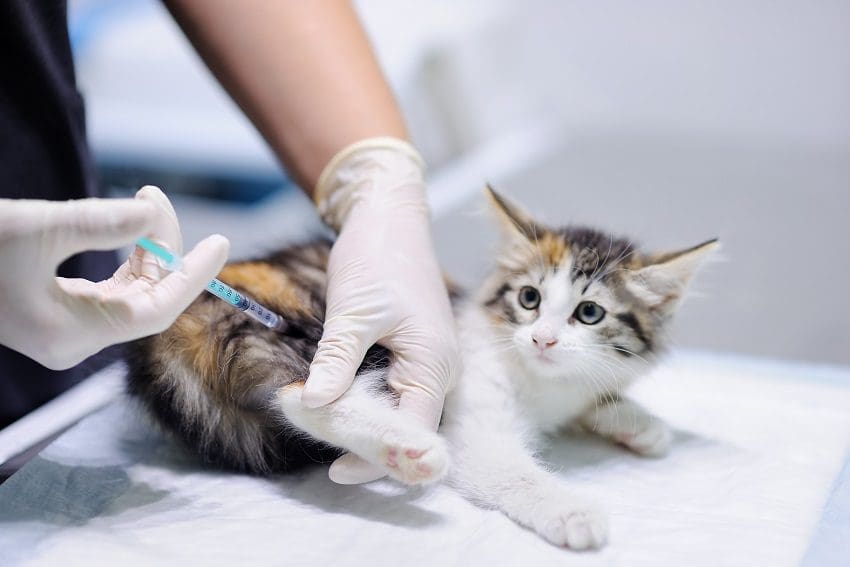
Cat vaccinations fall into two categories: core and non-core. Both play a role in keeping your cat healthy, but they’re not used the same way.
Core vaccines are the essentials. These protect against diseases that are either very common, very serious, or both. Because of that, they’re recommended for all cats, regardless of lifestyle.
Non-core vaccines are more situational. They protect against diseases that aren’t as widespread, so they’re only recommended if your cat has a higher risk of exposure.
That risk usually comes down to lifestyle. For example, a cat that spends time outdoors or interacts with other cats may benefit from additional vaccines that an indoor-only cat doesn’t need.
Your vet will help you decide what makes sense based on your cat’s environment, habits, and overall health.
The short version: core vaccines are considered essential, especially for kittens, while non-core vaccines are added as needed for extra protection. Either way, staying on schedule with vaccinations is one of the easiest ways to keep your cat healthy long-term.
FYI, vaccines are just one part of your cat’s routine care. Once you start adding in checkups, unexpected visits, and the occasional “what did you eat?” emergency, costs can stack up faster than you expect. Now is a great time to consider pet insurance. Here’s a handy map to help you find the best options in your state.
What Vaccines Should My Cat Get?
When deciding on which cat vaccinations to get, consider their age, health, and lifestyle.
Kittens need a series of shots, while adult cats should have core vaccines. Non-core vaccines depend on many factors. Some of them are:
- Walking outdoors
- Contact with other cats
- Place of residence
- Living conditions
Always discuss this with your vet to ensure your cat gets the right vaccinations at the right time. Regular vaccinations help protect your furry friends and keep them healthy. Here’s a quick look at the most common vaccines, including optional ones. Then keep reading for more details on the core vaccines.
| Vaccine | What It Protects Against | Core or Optional | Recommended For | Notes |
|---|---|---|---|---|
| Rabies | Rabies virus (fatal neurological disease) | Core (legally required in most areas) | All cats, indoor and outdoor | Required by law in many states; also protects humans |
| FVRCP | Feline viral rhinotracheitis, calicivirus, panleukopenia | Core | All cats | Given as a combo vaccine; protects against common respiratory and viral diseases |
| FeLV | Feline leukemia virus | Core for kittens, optional for adults | Outdoor cats or those exposed to other cats | Spread through close contact; indoor-only adult cats may not need boosters |
| Bordetella | Bordetella bronchiseptica (respiratory infection) | Optional | Cats in shelters, catteries, or multi-cat environments | More common in high-density cat environments |
| Chlamydia felis | Bacterial eye and respiratory infection | Optional | Multi-cat households or breeding environments | Not commonly needed for typical indoor cats |
| FIP (Experimental/Regional) | Feline infectious peritonitis | Not routinely recommended | Rarely used | Limited effectiveness; not part of standard vaccination protocols |
Rabies Vaccine
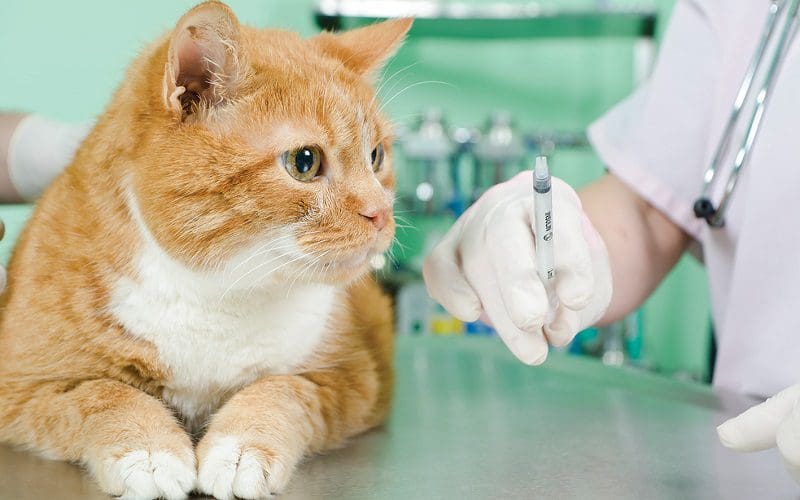
Rabies is one of those vaccines that’s non-negotiable. It protects against a fatal disease that can spread from animals to humans, which is why it’s required by law in many areas.
For cats, the rabies vaccine is both a health measure and a legal one. Even indoor cats are usually required to have it, since exposure can happen in ways you don’t expect (wildlife, escapes, that one bat that somehow gets into the house).
Kittens typically get their first rabies shot at around 12 weeks old. After that, your vet will schedule booster shots to keep protection up to date.
The vaccine itself is quick and straightforward, just a standard injection under the skin. Most cats tolerate it just fine, and the protection it provides is significant.
Rabies isn’t something you can treat once symptoms appear. Prevention is really the only option, which makes this vaccine one of the most important parts of your cat’s care.
Quick Rabies Vaccine Overview
| Vaccine Type | Core (and legally required in many areas) |
| First Dose | Around 12 weeks of age |
| Boosters | Every 1–3 years (depends on local laws and vaccine type) |
| Why It Matters | Protects against a fatal disease that can spread to humans |
| Key Takeaway | Prevention is the only protection once exposure happens |
FVRCP Vaccine
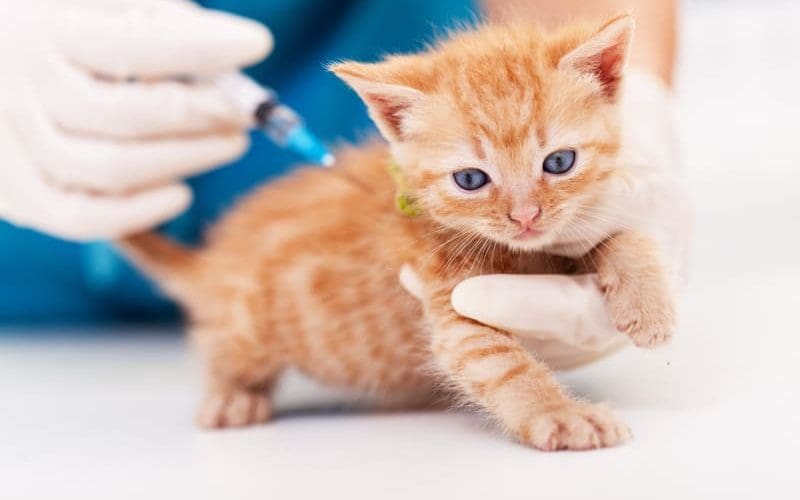
The FVRCP vaccine is one of the core vaccines your cat will receive, and it actually protects against three different diseases at once: feline viral rhinotracheitis, calicivirus, and panleukopenia.
You’ll sometimes hear it called the “cat flu” vaccine, which is a bit of a simplification, but not totally wrong. Two of the viruses it covers can cause upper respiratory symptoms like sneezing, congestion, and runny eyes. The third, panleukopenia, is much more serious and can be life-threatening, especially in kittens.
Kittens usually start the FVRCP series at around 6–8 weeks old. They’ll need a series of booster shots every few weeks for a few months to build up proper immunity.
After that, adult cats still need periodic boosters to stay protected. How often depends on your cat’s age, health, and lifestyle, but your vet will map out a schedule that makes sense.
Like most vaccines, it’s quick and routine, but it covers some of the most common and potentially serious illnesses cats face. In other words, this is one you don’t want to skip.
FVRCP Quick Overview
| Vaccine Type | Core (recommended for all cats) |
| Protects Against | FVR (rhinotracheitis), calicivirus, and panleukopenia |
| First Dose | Around 6–8 weeks of age |
| Initial Series | Multiple doses every 3–4 weeks until about 16 weeks old |
| Boosters | Every 1–3 years depending on your vet’s recommendation |
| Why It Matters | Protects against common respiratory infections and a potentially fatal virus (panleukopenia) |
| Key Takeaway | One vaccine, three major protections — it’s a cornerstone of routine cat care |
FeLV Vaccine
The FeLV vaccine protects against feline leukemia virus, a contagious disease that can seriously weaken a cat’s immune system and lead to long-term health problems.
Unlike rabies and FVRCP, this one isn’t automatically recommended for every adult cat. It’s considered a core vaccine for kittens, but for adults, it depends on risk.
Cats that spend time outdoors, live with other cats, or have any chance of exposure to unknown cats are the ones most likely to benefit. FeLV spreads through close contact, things like grooming, shared bowls, or bites.
Kittens typically start the FeLV vaccine around 8–9 weeks of age and receive a short series of shots to build protection. After that, your vet will decide whether ongoing boosters make sense based on your cat’s lifestyle.
The vaccine helps the immune system fight off the virus if exposure happens, but it’s not a blanket guarantee. That’s why risk assessment matters here more than with core vaccines.
If your cat has any chance of exposure, even occasional, it’s worth having the conversation with your vet. This is one of those “better to think it through now than regret it later” situations.
FeLV Quick Overview
| Vaccine Type | Core for kittens; non-core for adult cats |
| Protects Against | Feline leukemia virus (FeLV) |
| First Dose | Around 8–9 weeks of age |
| Initial Series | Two doses spaced a few weeks apart |
| Boosters | Annually for at-risk cats; may not be needed for low-risk indoor cats |
| Who Needs It | Outdoor cats, multi-cat households, or any cat with potential exposure |
| Key Takeaway | Not every cat needs it long-term, but it’s essential for those with exposure risk |
Cat Vaccination Schedule
Your vet will give you a vaccination schedule designed to keep your cat protected at every stage of life.
For kittens, that schedule starts early, usually around 6–8 weeks old. They’ll need a series of shots every few weeks until they’re about 16 weeks old. This builds up their immunity while their immune system is still developing.
After that, things settle down quite a bit. Adult cats typically get booster shots every 1–3 years, depending on the vaccine and your cat’s lifestyle.
That schedule usually includes core vaccines (the ones every cat needs) and, if appropriate, non-core vaccines based on things like outdoor access or exposure to other cats.
The exact timing isn’t one-size-fits-all. Your vet will tailor the schedule based on your cat’s age, health, and risk factors, but the goal is always the same: steady, reliable protection over time.
Here’s a quick overview of what to expect and when. We’ll get into more detail about kittens vs adults cat vaccination schedules below.
| Life Stage | What to Expect | Vaccines Typically Given |
|---|---|---|
| 6–8 Weeks | First round of vaccinations begins | FVRCP (first dose) |
| 10–12 Weeks | Second round of boosters | FVRCP booster, FeLV (if recommended) |
| 12–16 Weeks | Final kitten series + rabies | Rabies, FVRCP final dose, FeLV booster |
| 1 Year | First adult booster | Rabies, FVRCP, ± FeLV depending on risk |
| Adult (1–7 Years) | Maintenance boosters | Every 1–3 years depending on vaccine and lifestyle |
| Senior Cats | Adjusted schedule if needed | Based on health status and vet guidance |
Kitten Vaccinations
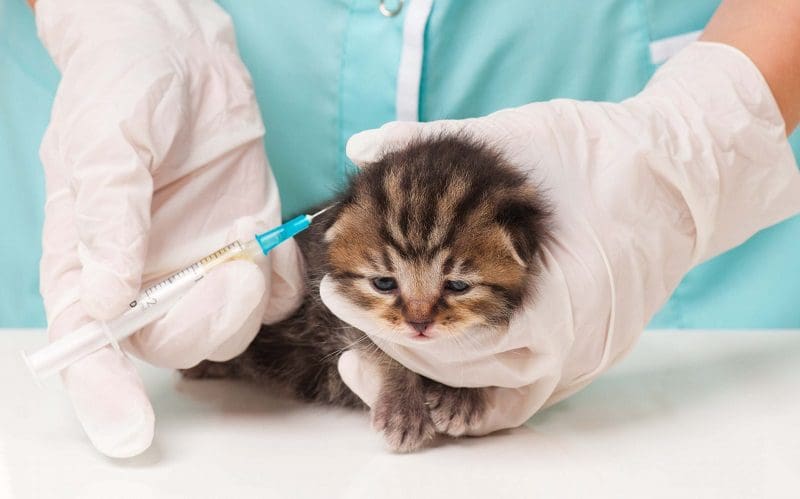
Kitten vaccinations are like shields to protect your little furball from nasty illnesses.
When your kitten is born, they have some protection from their mom’s milk, but it doesn’t last long. So, to keep them healthy and strong, they need vaccines.
Vaccinations usually begin at 6–8 weeks of age. The vet will give them a series of vaccinations over a few months. These vaccinations help create a strong defense against diseases such as:
- Feline viral rhinotracheitis
- Calicivirus
- Panleukopenia
- Feline leukemia
The last kitten shot is usually around 16 weeks old. After that, your kitten might need booster shots when they grow up to keep their protection strong. It’s a bit like giving them superhero powers against sickness.
Always follow your vet’s advice about kitten vaccinations. It’s the best way to ensure your little one grows into a healthy and happy cat, ready to explore the world.
Adult Cat Vaccinations
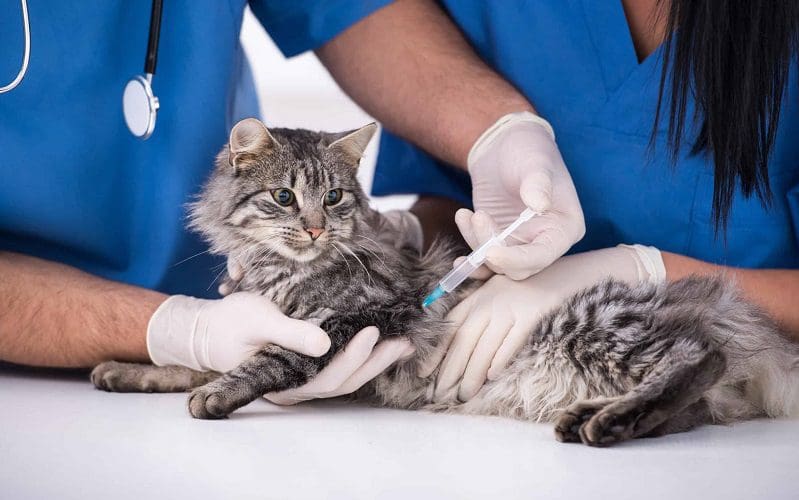
Cat vaccinations are essential to keeping your furry friend strong and healthy. Kittens receive their initial shots, but as adult cats, they need booster shots to maintain their protection.
Core vaccines are usually required throughout an adult cat’s life. Rabies vaccination is required not only for the cat’s health but also for legal reasons in many countries.
Vaccines for non-core diseases may be recommended based on your cat’s lifestyle. A veterinarian can help you decide if this is necessary.
Regular check-ups with a veterinarian are essential for vaccination effectiveness. Vaccination keeps your cat’s immune system at a high level.
It protects it from dangerous diseases. Keeping up with vaccinations will help your adult cat live a long, happy, and healthy life.
FAQs
Are Cat Vaccinations Required by Law?
The legal requirements for cat vaccinations vary from place to place. But you should know that rabies vaccination is mandatory in many countries. It is to protect public health.
Are There Risks Associated With Cat Vaccinations?
The risks associated with cat vaccinations are generally minimal. However, some cats may experience mild reactions. These may include soreness or a fever. Often, it is an individual intolerance to some of the components. Serious side effects are rare.
Are There Any Side Effects After Cat Vaccination?
Common side effects after cat vaccination include mild lethargy or soreness at the injection site. Severe reactions are extremely rare. If you observe something more serious, call your veterinarian immediately.
Conclusion
Finally, immunizations act as superheroes for our cats, shielding them from deadly infections.
Kittens begin vaccines at a young age in order to develop a strong immune system. Cat vaccinations keep them protected as they mature into adult cats.
It is vital to visit the veterinarian on a regular basis and to follow the recommended vaccination schedule. It ensures that your kitty companion is secure and healthy for the rest of their lives.
Remember that immunizations safeguard your cat and help prevent disease transmission to other animals and even humans.